EV charging, , 6 min read
Do I need a new fuse box for an EV charger?
Not every home needs a new consumer unit before an EV charger goes in. Here is how an electrician decides, what the alternatives are and what an upgrade typically costs.
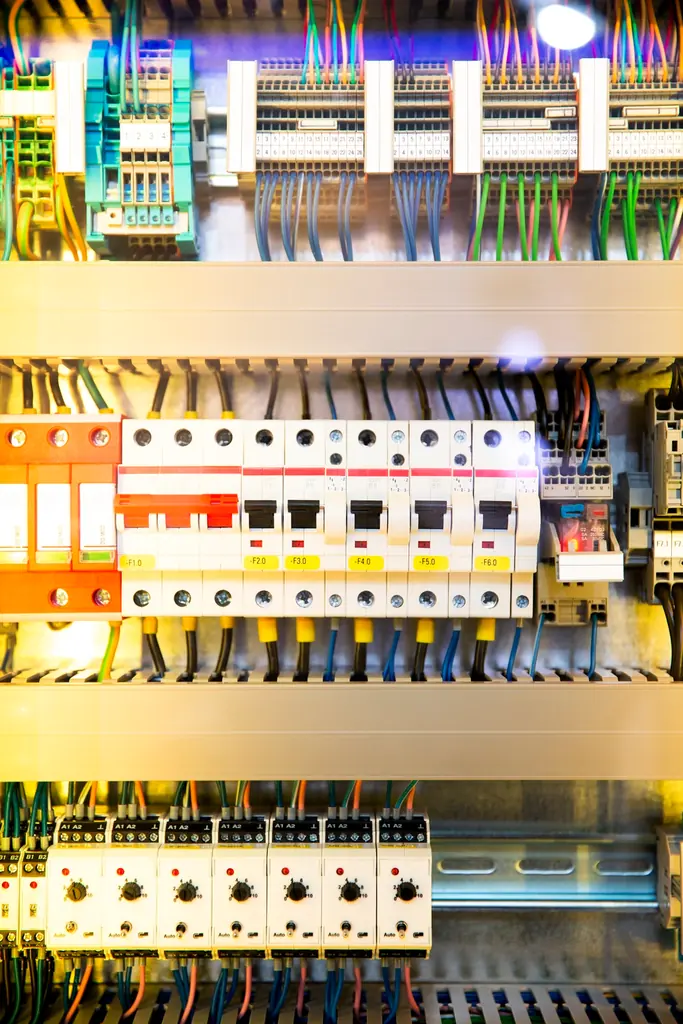
Not always. Many homes can take an EV charger without replacing the consumer unit (fuse box), as long as there is room for a dedicated circuit with suitable RCD protection and the electricity supply has enough capacity for the extra load. You are more likely to need a new board if yours has rewireable fuses, no RCD protection, no spare space or is in poor condition. Where the supply itself is the limit, a load management device can often avoid a costly upgrade.
As a NAPIT-approved electrician based in Buckhurst Hill, we look at the fuse board, earthing and supply as part of any EV charger installation survey. Here is what we check, and why it matters.
What an EV charger needs from your fuse board
A typical home charger is rated at 7kW on a single-phase supply and draws around 32 amps for hours at a time. That is more than most household appliances, and it is a continuous load, so the installation has to be designed for it. Under BS 7671, the IET Wiring Regulations (18th Edition), the charger needs:
- A dedicated circuit. The charger has its own circuit and protective device, sized to suit the charger and the cable, run from the consumer unit or from a small separate enclosure next to it.
- Its own RCD protection. Each charging point must be protected by its own 30mA RCD. Because an electric car can produce DC fault currents that stop an ordinary RCD from working properly, the protection is typically a Type A RCD combined with DC fault protection (which many chargers now build in), or a Type B RCD.
- Space and a sound board. There needs to be a spare way for the new device, or room to fit a separate enclosure, and the existing board needs to be in good condition.
- Enough supply capacity. The total demand of the house, with the charger added, must stay within what the main fuse and incoming supply can handle.
Main fuse size and maximum demand
Your main fuse (sometimes called the service fuse or cut-out fuse) sits in the sealed unit where the supply cable enters your home, usually near the meter. It belongs to your network operator and must only be touched by them. Most UK homes have a main fuse of somewhere between 60A and 100A.
Before adding a charger, the electrician carries out a maximum demand assessment. This looks at everything that could reasonably be running at the same time, such as an electric shower, oven and hob, immersion heater, heat pump or tumble dryer, and allows for the fact that not everything runs at full power at once. Adding a charger that draws 32A for hours on top of that can push a home with a 60A main fuse close to, or over, its limit.
If the assessment shows the supply is too small, there are two main options: ask the network operator to upgrade the main fuse or supply, or fit load management so the charger never takes more than the supply can spare.
Load management as an alternative to a supply upgrade
Load management (sometimes called load balancing) uses a small sensor, usually clipped around the meter tails, to measure how much power the house is using. When demand is high, for example when the shower, oven and kettle are all on, the charger automatically slows down, then speeds up again once demand drops.
Many smart chargers support this, either built in or with an extra sensor. For most households the effect on charging is small, because the car usually charges overnight when little else is running. It is often quicker and cheaper than waiting for a supply upgrade, although the right choice depends on your home and how you use power.
Signs your fuse board is out of date
Even if your supply has plenty of capacity, the board itself may not be suitable. Common signs that a consumer unit needs replacing include:
- Rewireable fuses. If your board has fuse carriers with fuse wire rather than switches (circuit breakers), it is well past its best and offers no RCD protection.
- No RCD protection. Modern boards have RCDs or RCBOs that cut the power quickly if current leaks to earth. If there is no device with a test button marked T or Test, your board probably has no RCD.
- A plastic enclosure. Since 2016, new consumer units in homes must have a non-combustible enclosure, which in practice usually means metal. An older plastic board is not automatically dangerous, but it is a sign of its age.
- No spare ways. A full board with no room for another circuit may need replacing or supplementing.
- Signs of damage or overheating. Scorch marks, a burning smell, crackling or a board that feels warm need looking at straight away.
- Frequent tripping. A board that trips regularly may be pointing to a fault on an existing circuit. Our guide on why a fuse board keeps tripping explains the common causes.
What a consumer unit upgrade involves and costs
Replacing a consumer unit is notifiable work under Part P of the Building Regulations. As NAPIT members we can self-certify it, and you receive the certificates once the work is done. Before a new board goes in, the existing circuits have to be tested. Occasionally that testing uncovers faults that need fixing first, because a new RCD will trip on problems an old fuse box never picked up.
As a rough UK guide, replacing a consumer unit typically costs around £400-£800, depending on the size of the board, the number of circuits and the condition of the existing wiring. If faults turn up on existing circuits during testing, fixing those is extra. Where a board replacement is needed alongside a charger, doing both on the same visit usually saves on labour compared with two separate jobs.
Prices vary, so for a figure for your own home use our instant quote tool and we will give you an estimate.
Telling your network operator
Your network operator is the company that owns the cables in the street and the main fuse in your home. In our area that is UK Power Networks. They need to know about new EV chargers. In many straightforward cases the installer notifies them after the charger is connected. Where the maximum demand assessment shows the supply may not cope, the operator may need to be contacted before the charger goes in, and they may need to upgrade the main fuse or supply first. Your installer should handle this for you and tell you if any wait is involved.
If you are planning a charger in Buckhurst Hill, Loughton, Chigwell, Woodford or nearby, we can look at the board, the earthing and the supply together and explain what, if anything, needs doing. For the wider picture on pricing, see our guide to EV charger installation cost.
To find out whether your fuse board is ready for a charger, get an instant estimate on our instant quote page or call 07973 781349 and we will talk you through it.
Written by A Walsh ElectricalNAPIT-approved electricians based in Buckhurst Hill, looking after homes and businesses since 1999.