EV charging, , 6 min read
How much does a home EV charger installation cost?
A standard home EV charger installation in the UK typically costs around £800-£1,200. Here is what changes the price for your home, from cable runs to fuse board upgrades.
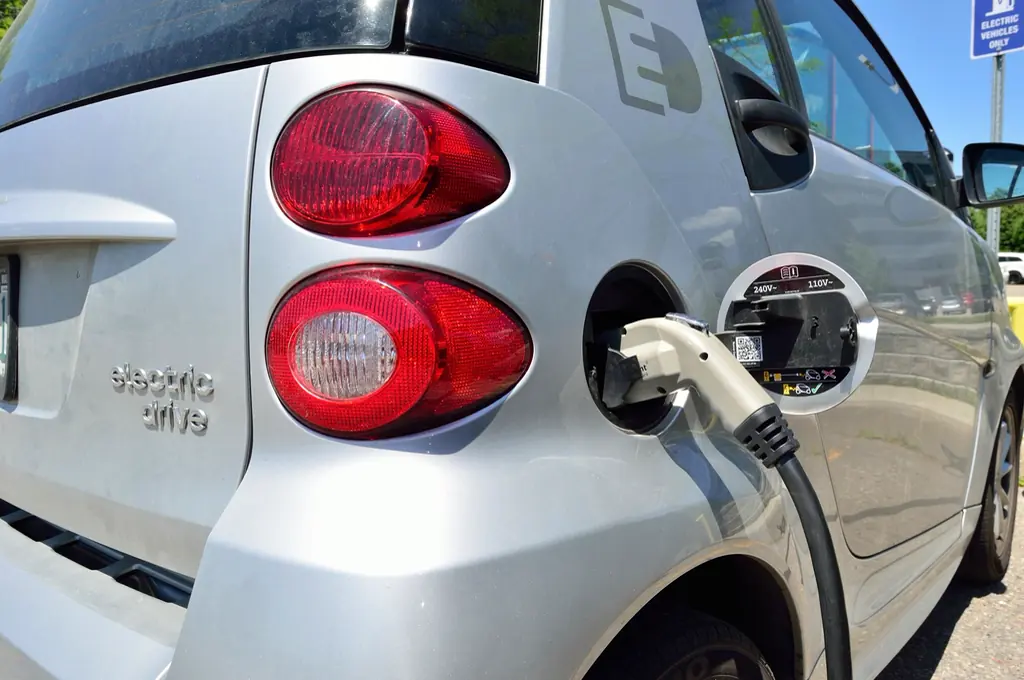
As a rough guide, a standard home EV charger installation in the UK typically costs around £800-£1,200, including a smart charger, a dedicated circuit from your fuse board and a wall-mounted unit close to where you park. The final price depends mainly on the charger you choose, how far the cable has to run and whether your consumer unit or electricity supply needs work first. Longer cable runs, groundworks or a fuse board upgrade will add to that figure.
We are A Walsh Electrical, a NAPIT-approved electrical contractor based in Buckhurst Hill, and we install home chargers across Loughton, Chigwell, Woodford, Chingford and the surrounding area. Below we explain what goes into the price, so you know what to expect before anyone visits. You can read more about how we approach the work on our EV charger installation page.
What a standard installation includes
Most quotes for a standard installation cover the same core work. When you compare prices, check that each one includes:
- The charger itself. Under the Electric Vehicles (Smart Charge Points) Regulations 2021, new home chargers sold in Great Britain must have smart functionality, so any unit you buy new will be a smart charger.
- A dedicated circuit. The charger needs its own circuit from the consumer unit, with suitable protection. It should never share a circuit with sockets or other appliances.
- A reasonable cable run. Most standard prices assume the charger is mounted on an outside wall fairly close to the fuse board, often on the front or side of the house by the driveway.
- Testing and paperwork. Adding a new circuit is notifiable work under Part P of the Building Regulations. As a NAPIT-approved contractor we can self-certify it, and you receive an Electrical Installation Certificate and a Building Regulations compliance certificate.
- Notifying the network operator. Your local network operator needs to know about a new home charger, and the installer normally handles this for you.
- Setting up. Connecting the charger to your Wi-Fi or mobile signal, pairing the app and showing you how to schedule charging.
What changes the price
No two driveways are the same. These are the factors that move a quote up or down:
- Charger model. Prices vary between models and features. Some have built-in protection that saves on extra equipment at the board, and some are designed to work alongside solar panels.
- Tethered or untethered. A tethered charger has the cable permanently attached. An untethered charger has a socket, and you use the cable that came with your car. Untethered units look tidier and suit households that may change cars, while tethered units are quicker to use day to day. The price difference is usually small.
- Cable run length. This is often the biggest variable. If your fuse board is at the front of the house and you park at the front, the run is short. If the board is at the back and you park at the side or rear, the cable has to go further, sometimes through several walls or along the outside of the house. That means more cable, more labour and sometimes a larger cable size to keep the voltage drop within limits.
- Wall or post mount. Fixing the charger to the house wall is the simplest option. If there is no suitable wall near your parking space, the charger can go on a post, which usually means running an armoured cable underground to reach it.
- Groundworks and trenching. Digging a trench across a lawn, or lifting and relaying block paving, adds time and cost.
- Fuse board or supply upgrades. If your consumer unit is old, full or lacks suitable protection, it may need work or replacement first. If your main fuse is small for the extra load, your network operator may need to look at the supply.
- Load management. Where the supply is close to its limit, a load management device can slow the charger down when the house is using a lot of power, often avoiding a supply upgrade. Many smart chargers support this, sometimes with an extra sensor fitted at the meter.
- Earthing arrangement. Most UK homes have a PME (TN-C-S) earthing arrangement. BS 7671, the IET Wiring Regulations, has specific requirements for EV charging on PME supplies because of the small risk from a broken supply neutral. Many chargers now include built-in protection for this. If yours does not, an earth electrode (earth rod) may be needed, which adds to the job.
Typical costs for extra work
Every home is different, so treat these figures as general UK guidance rather than a quote. Longer cable runs, groundworks and post mounting all add to the cost, and the amount depends on the distance, the ground and the route the cable has to take.
If your consumer unit needs replacing before the charger can go in, a fuse board replacement typically costs roughly £400-£800 on its own, depending on its size and the condition of the existing circuits. We explain when that is needed in our guide on whether you need a new fuse board for an EV charger.
Prices vary from home to home, so the most reliable way to get a figure is to tell us about your property. Our instant quote tool gives you an estimate based on your answers, and we can then talk through the details with you.
Smart charging and off-peak tariffs
Most home chargers are rated at 7kW on a single-phase supply, which is enough to top up most cars overnight. Because new home chargers must be smart, you can schedule charging for the hours when electricity is cheapest. Many energy suppliers offer EV or time-of-use tariffs with lower overnight rates, and charging on one of these can cost far less than charging at peak rates or on public rapid chargers.
The 2021 regulations also mean new chargers are set up by default to avoid charging at peak times, although you can change the schedule to suit you. It is worth comparing tariffs before your installation, as some tariffs work best with particular chargers or cars.
Grants and government support
Government support for EV charging changes over time, and eligibility depends on your circumstances. In recent years there have been dedicated schemes for renters and flat owners, landlords and businesses, while support for homeowners in houses has been more limited.
Because the schemes and their rules change, we recommend checking GOV.UK for the current Office for Zero Emission Vehicles (OZEV) schemes before you book. Read the conditions carefully, including any requirements about who carries out the work and when you need to apply, as some schemes must be applied for before the installation takes place.
Home EV charger installation in Essex and North East London
We have been working on homes in Buckhurst Hill, Loughton, Theydon Bois, Chigwell and across North and East London since 1999. A house with a front drive usually means a short cable run, while a terrace with parking at the rear needs more planning. For home EV charger installation in Essex, Woodford, Chingford, Walthamstow or Waltham Abbey, you can check whether we cover your street on our areas page.
If you are thinking about a home charger, the quickest way to find out what it would cost for your property is to get an instant estimate on our instant quote page, or call us on 07973 781349 to talk it through.
Written by A Walsh ElectricalNAPIT-approved electricians based in Buckhurst Hill, looking after homes and businesses since 1999.