Safety, , 2 min read
Can an electrical fire start if the breaker is off?
Switching off a breaker stops power reaching that circuit, so a fire from that wiring is very unlikely. But some parts of your electrics stay live, and a few other things can still cause a fire. Here's what to know.
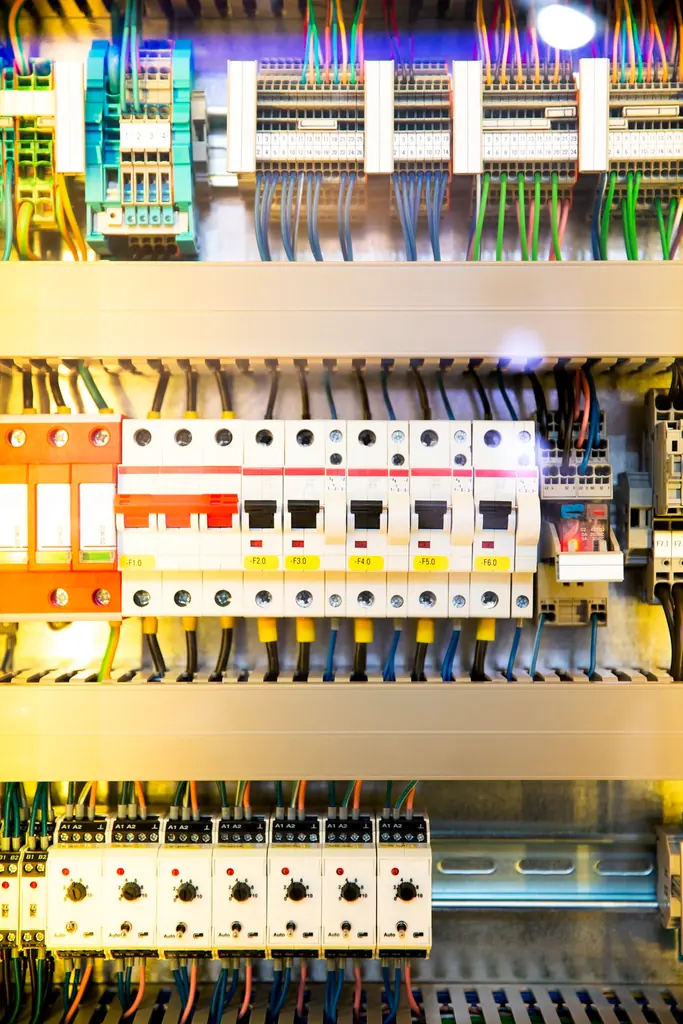
Switching off a circuit breaker cuts the power to that circuit, so a fire caused by that circuit's wiring is very unlikely once it's off. But a breaker isn't a guarantee everything is safe. Other circuits may still be live, the cables between the meter and your main switch are always live, anything already smouldering can keep burning, and battery-powered devices don't need mains power to catch fire.
What a breaker actually does
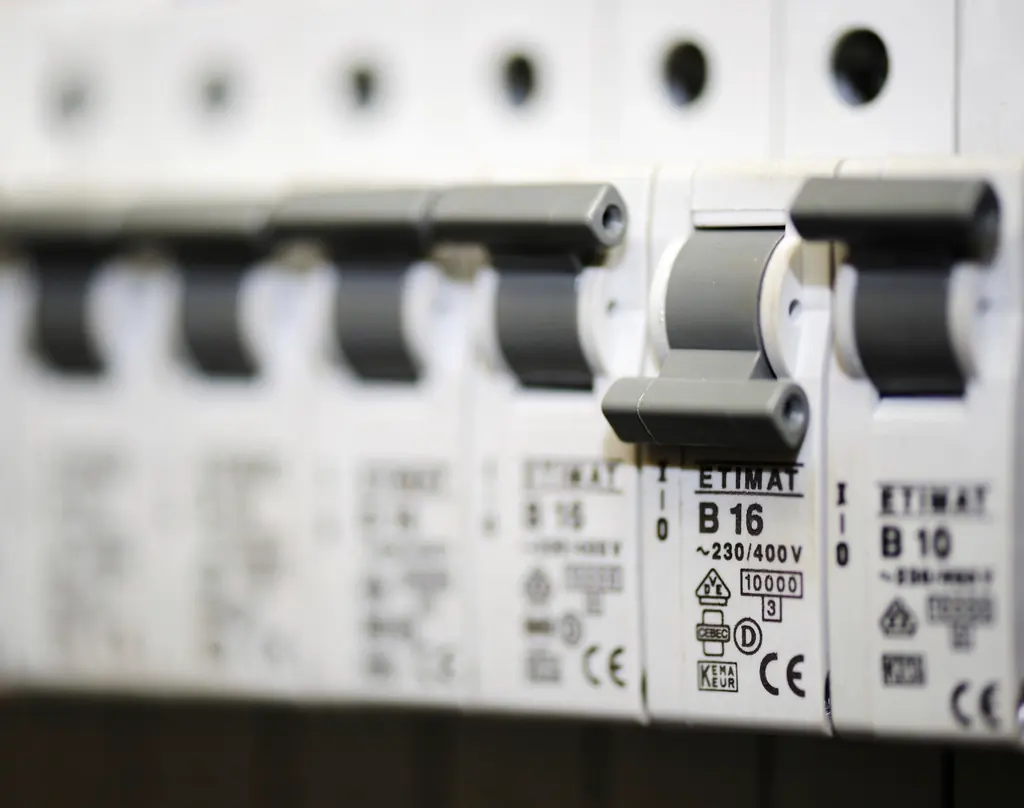
Each breaker in your consumer unit protects one circuit, such as the downstairs sockets or the upstairs lights. Switched off, it disconnects the live supply to that circuit. The main switch does the same for every circuit at once.
Most breakers in homes switch the live conductor only. That's normal and safe for everyday use, but it's one reason electricians test a circuit is dead before working on it, rather than trusting the switch.
What stays live with the main switch off
- The meter tails: the thick cables from your meter to the consumer unit.
- The meter and the main fuse before it, which belong to the network operator.
- The incoming side of the main switch itself.
- Anything with its own supply, such as solar panels, battery storage or a generator.
A fault in these parts, such as a loose meter tail or an overheating main switch, can't be stopped by switching off at the fuse board. If you see scorching or smell burning around the meter or fuse board, call 105 for anything before the meter and an electrician for the rest.
Other ways a fire can still start
- Something already smouldering. Switching off removes the cause, but hot insulation, dust or wood can keep burning. If you smelt burning, keep checking the area.
- Batteries. E-bikes, e-scooters, power tools, laptops and power banks store their own energy and can catch fire unplugged.
- A faulty breaker. Rarely, a damaged breaker doesn't fully disconnect. This is one reason old or scorched fuse boards should be replaced.
- The wrong circuit. Labels on old fuse boards are often wrong, so the breaker you switched off may not be the one feeding the problem.
How to make your home safer
- Have the fuse board checked if it's old, has scorch marks, buzzes or has a wooden back. Our guide to fuse boards that keep tripping covers the warning signs.
- Charge e-bikes and scooters where you can see them, never overnight in an escape route such as a hallway.
- Fit smoke alarms on every floor and test them monthly.
- Get an electrical inspection (EICR) every 10 years for a home you own, or every 5 years for a rental.
Written by A Walsh ElectricalNAPIT-approved electricians based in Buckhurst Hill, looking after homes and businesses since 1999.